A freezer usually takes 2 to 24 hours to defrost. The time depends on ice thickness, freezer size, room temperature, and the method you use. Many homeowners ask how long to defrost freezer compartments because they want to remove frost without damaging the appliance or needing costly freezer repair. A thin frost layer can melt in a few hours.
Heavy ice buildup in a deep freezer can take most of the day with natural thawing. Unplug the freezer and move frozen food to a cooler before the frost starts melting.
Quick Answer
Most freezers need about 4 to 8 hours for a complete defrost. A small freezer with thin frost may take 2 to 4 hours. A large chest freezer with thick ice may take 12 to 24 hours.
Freezer Defrost Time by Freezer Type
The right freezer defrost time depends on the appliance design and how much ice has formed inside.
| Freezer Type | Light Frost | Heavy Ice Buildup | Notes |
|---|---|---|---|
| Mini freezer | 2 to 3 hours | 4 to 6 hours | Defrosts faster due to smaller space |
| Upright freezer | 4 to 6 hours | 8 to 12 hours | Shelves may hold ice around vents |
| Chest freezer | 6 to 8 hours | 12 to 24 hours | Thick ice may collect along walls |
| Refrigerator freezer | 3 to 6 hours | 8 to 12 hours | Food storage space may be limited |
| Deep freezer | 8 to 12 hours | 12 to 24 hours | Large capacity can slow thawing |
Why Freezers Need Defrosting?
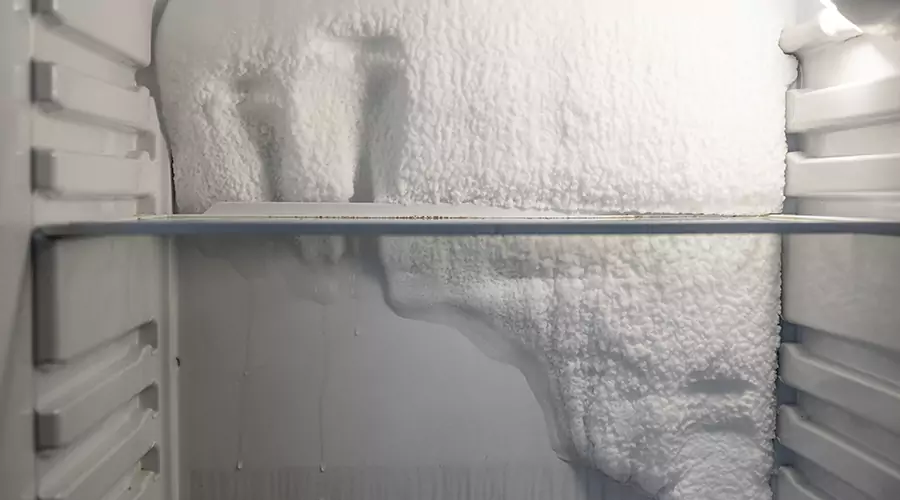
Frost forms when warm air enters the freezer and moisture freezes on cold surfaces. Over time, freezer ice buildup can reduce storage space and block airflow. Too much frost makes the appliance work harder. It can also cause uneven temperatures and higher energy use.
A thick frost layer can affect food storage. It may also lead to a freezer not cooling properly if airflow becomes restricted.
How to Defrost Freezer Step by Step?
Learning how to defrost freezer correctly helps protect the appliance and your food.
Basic Defrost Steps
- Unplug the freezer before cleaning.
- Remove food and store it safely.
- Take out shelves, bins, and drawers.
- Place towels near the freezer base.
- Let the ice soften before removing it.
- Wipe the interior dry before restarting.
Manual Freezer Defrost Process
A manual freezer defrost requires patience because the appliance does not melt frost automatically. You need to turn it off and let the ice thaw.
Avoid using sharp tools to break ice. A knife, screwdriver, or metal scraper can puncture the freezer liner and cause expensive damage. Use a plastic scraper once the ice starts loosening.
This method helps you remove ice from freezer surfaces without harming the interior.
How to Defrost Freezer Safely?
You should defrost freezer safely by keeping electricity, water, and sharp tools away from each other. Never pour boiling water directly onto plastic freezer walls.
Use bowls of hot water inside the freezer to speed up melting. Close the door for a few minutes, then reopen it and remove softened ice. Change the water as it cools.
This safe method works well when you need a faster thaw without damaging parts.
Quick Freezer Defrost Tips
A quick freezer defrost can help when you do not want to wait all day. The safest shortcut is warm water, towels, and gentle scraping. You can place a pan of hot water inside the freezer. Steam helps loosen frost from walls and shelves.
A hair dryer can be risky if used near standing water. Use it only with extreme care and keep it away from melted ice.
Faster Defrosting Methods
- Place bowls of hot water inside the freezer.
- Use a plastic scraper after the ice softens.
- Replace wet towels often during thawing.
- Keep the freezer door open while unplugged.
- Move loose ice into a sink or bucket.
Deep Freezer Defrosting
Deep freezer defrosting usually takes longer because chest-style units hold more frozen air and thicker frost. These freezers also have larger interior walls where ice can collect.
Remove food first and organize it in coolers. If possible, plan the job when the freezer is almost empty. Drain water through the built-in drain if your model has one. Keep towels nearby because melted ice can spread across the floor quickly.
Upright Freezer Defrost
An upright freezer defrost often involves shelves, drawers, vents, and door gaskets. Ice commonly forms near the back wall and airflow openings. Remove shelves only after the frost softens. Pulling frozen drawers with force can crack plastic parts. Check the door gasket after the freezer is clean. A weak seal lets warm air enter and brings frost back faster.
Refrigerator Freezer Defrost
A refrigerator freezer defrost is needed when frost collects near vents, the back panel, or the ice maker area. Frost in these spots can affect cooling in both compartments. Move refrigerated food to a cooler when the appliance stays off for several hours. Keep the doors closed as much as possible during the process. Fast frost return points to a deeper problem. Common causes include a failed defrost heater, bad thermostat, faulty control board, or worn door seal.
Common Causes of Freezer Frost Problems
A freezer frost problem happens often in busy kitchens or homes with children.
Causes to Check
- The freezer door does not seal tightly.
- Food packages block the door.
- Warm food goes into the freezer too soon.
- The freezer stays open for long periods.
- The temperature setting is too low.
- The drain or vent area is blocked.
Freezer Drain Issue
A freezer drain issue can make water collect and freeze on the freezer floor. This problem happens when meltwater cannot flow through the drain path. Food debris and frozen condensation can clog the drain. Water then refreezes inside the compartment and creates a sheet of ice.
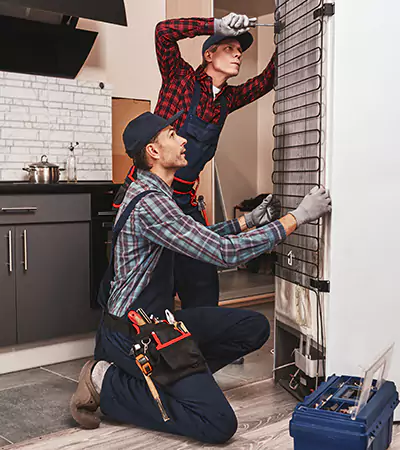
Call for service when the drain keeps freezing after cleaning. A technician can inspect the drain tube and defrost system safely.
How Often to Defrost Freezer?
Many homeowners ask how often to defrost freezer for better performance. A manual freezer usually needs defrosting when frost reaches about one-quarter inch thick.
Some homes may need defrosting once or twice a year. Busy households may need it more often if the freezer door opens frequently. Frost-free models should not need manual defrosting under normal conditions. If they build ice repeatedly, the defrost system may need attention.
Freezer Cleaning Tips After Defrosting
Use simple freezer cleaning tips after the frost melts. Wipe the interior with warm water and mild dish soap. Dry every surface before turning the freezer back on. Moisture left inside can freeze again and restart the frost problem. Clean the door gasket with a soft cloth. A clean gasket seals better and supports proper temperature control.
Freezer Maintenance for Better Cooling
Routine freezer maintenance helps reduce frost, protect food, and extend appliance life. Keep the freezer organized so air can move around stored items. Check the temperature setting after defrosting. Most freezers should stay near 0 degrees Fahrenheit for safe long-term storage.
Good appliance maintenance also includes cleaning coils when accessible. Dusty coils can make the freezer work harder.
Freezer Care Tips
- Keep the door gasket clean and flexible.
- Avoid overloading shelves and baskets.
- Let hot food cool before freezing it.
- Check frost levels once a month.
- Keep the freezer away from heat sources.
- Leave space around the appliance for airflow.
When to Use a Freezer Repair Guide?
A freezer repair guide helps you understand why frost keeps coming back. Recurring ice often points to a failed gasket, clogged drain, bad thermostat, or faulty defrost part. Stop guessing when the freezer runs constantly or struggles to hold temperature. Unusual noises also need proper inspection. Do not ignore repeated frost after a full defrost. That pattern usually means the appliance needs repair instead of another cleaning.
Final Thoughts
Defrosting time depends on freezer size, frost thickness, and the method you use. A small freezer may take only a few hours, while heavy frost in a deep freezer can take a full day.
The best approach is to plan ahead, protect your food, and avoid sharp tools. With the right freezer care tips, you can reduce frost buildup and keep your freezer running efficiently.